Getting your drive ready for an EV charger
Where the charger goes, how far the cable runs and what your main fuse can take decide the price. Here is what to check before you ask for a quote.
30 June 2026 · 5 min read · 8-point checklist
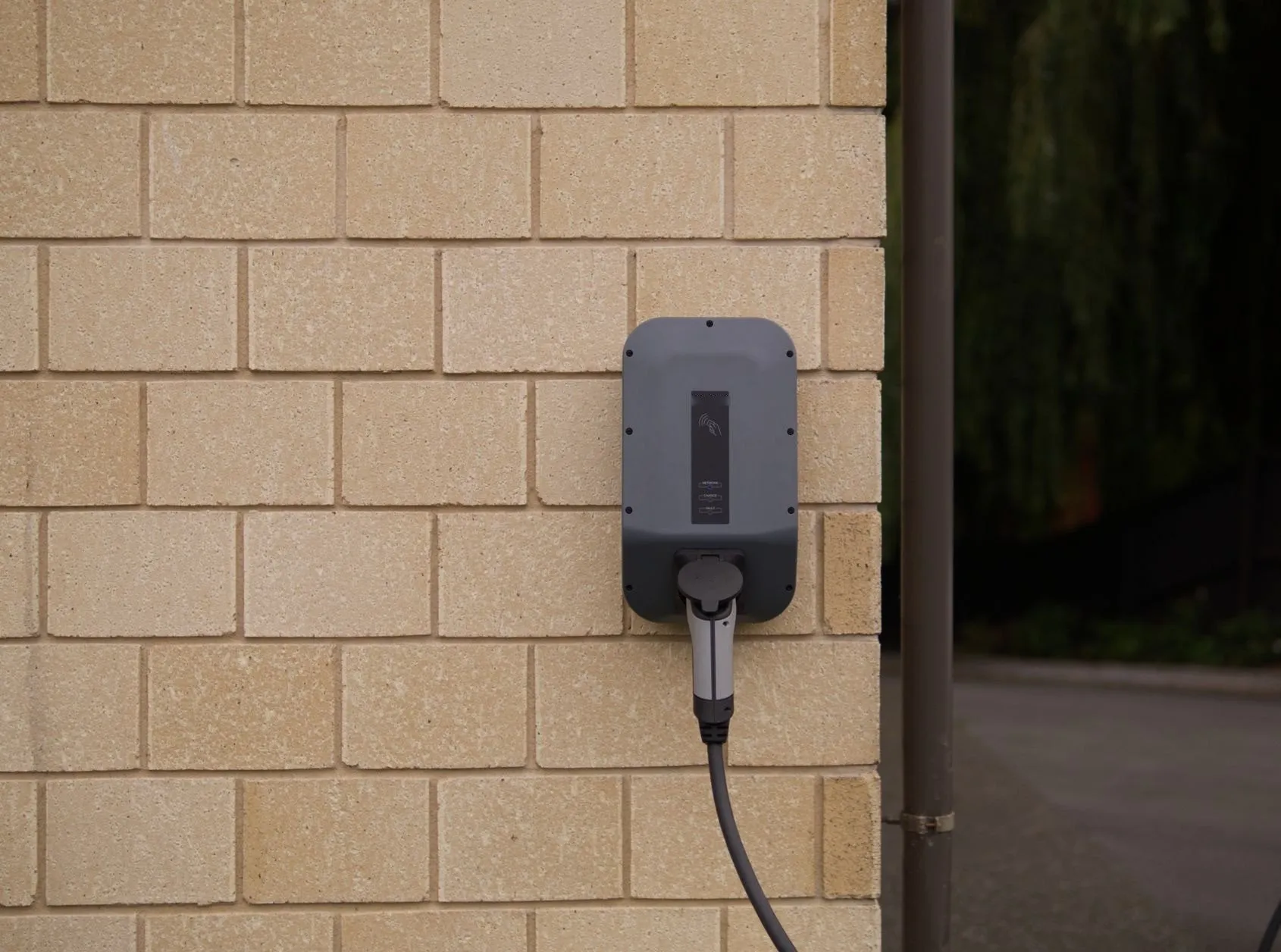
Most homes can take a 7 kW charger. The price depends on three things: where the charger goes, how far the cable has to run, and what your supply can handle.
Where the charger goes
Put the charger where the car’s inlet ends up when you park normally. A charger in the wrong place means a cable across the drive every night. Brick is the easiest wall to mount on. Render and external insulation need longer fixings, and a drive with no wall needs a post.
The cable run
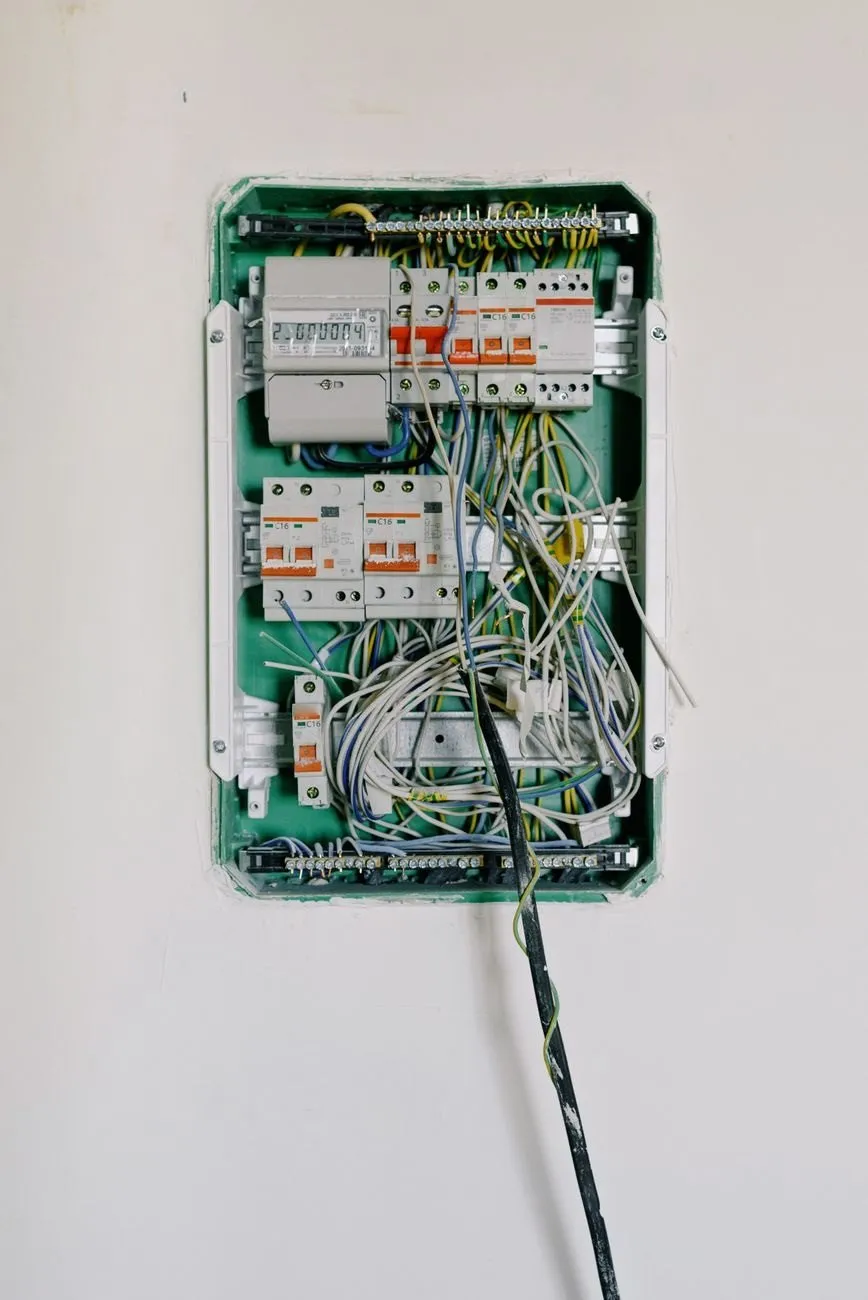
The cable runs from your consumer unit to the charger. If the board is on the same wall as the drive, that is a few metres. If it is at the far end of the house, the cable runs around the outside or through the loft, and the price goes up with the length. Our estimator uses three bands: up to 8 m, 8 to 15 m, and 15 to 25 m.
Your main fuse
Look at the black or grey sealed fuse next to your meter. It has a number on it: 60, 80 or 100 A. With load management, a 7 kW charger works on almost any of them. On a 60 A fuse we may ask the network operator to upgrade it, which is usually free.
Send us two photos
A photo of the board with the cover open and one of where you park lets us give you a fixed price without a visit, in most cases the same day.