Signs your consumer unit is due for replacement
Not every old board needs replacing. These are the signs that yours does, and the ones that just mean it needs a test.
22 July 2026 · 5 min read · 6-point checklist
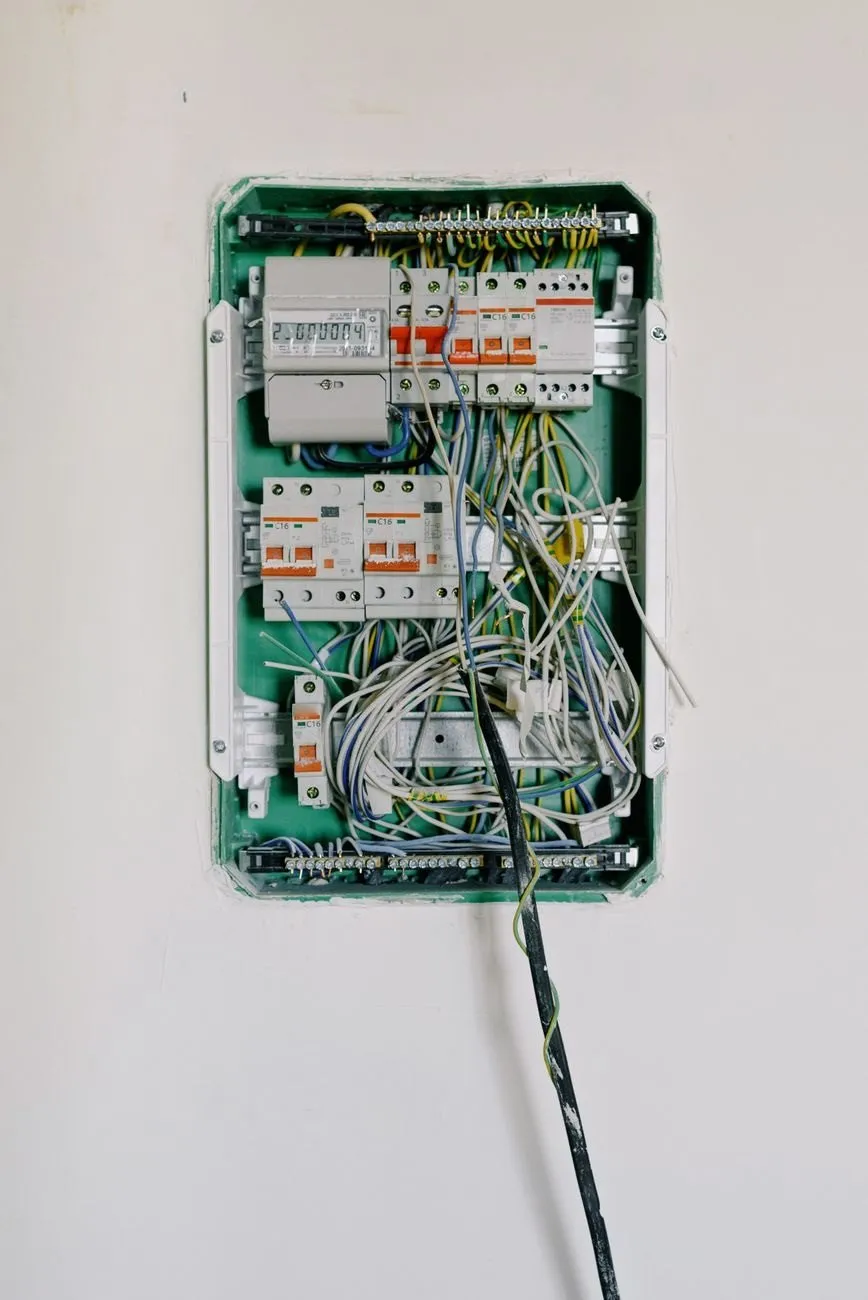
Your consumer unit is the box that decides what happens when something goes wrong. It usually lives under the stairs or in a cupboard by the front door. Here is how to tell whether yours is fine, needs a test, or needs replacing.
It has fuses, not switches
If you open the cover and see white ceramic carriers with fuse wire, the board predates RCD protection. That alone is a good reason to replace it.
There is no RCD
An RCD is the switch marked with a T or a test button. It cuts the power in a fraction of a second if current leaks to earth, which is what happens when someone touches a live fault. No RCD, no protection for people.
One trip takes out the whole house
Boards from the 1990s and 2000s often have one or two RCDs covering everything. It works, but one faulty kettle can leave you in the dark. A board with an RCBO on every circuit trips only the circuit with the fault.
Scorching, buzzing or a warm smell
This is urgent. Switch off at the main switch if you can do it safely, and call us. It usually means a loose connection that is overheating.
It is plastic, under the stairs
Since 2016, new boards in homes have to be non-combustible, usually metal. An old plastic board is not illegal to keep, but under a timber staircase it is worth thinking about.
You are adding something big
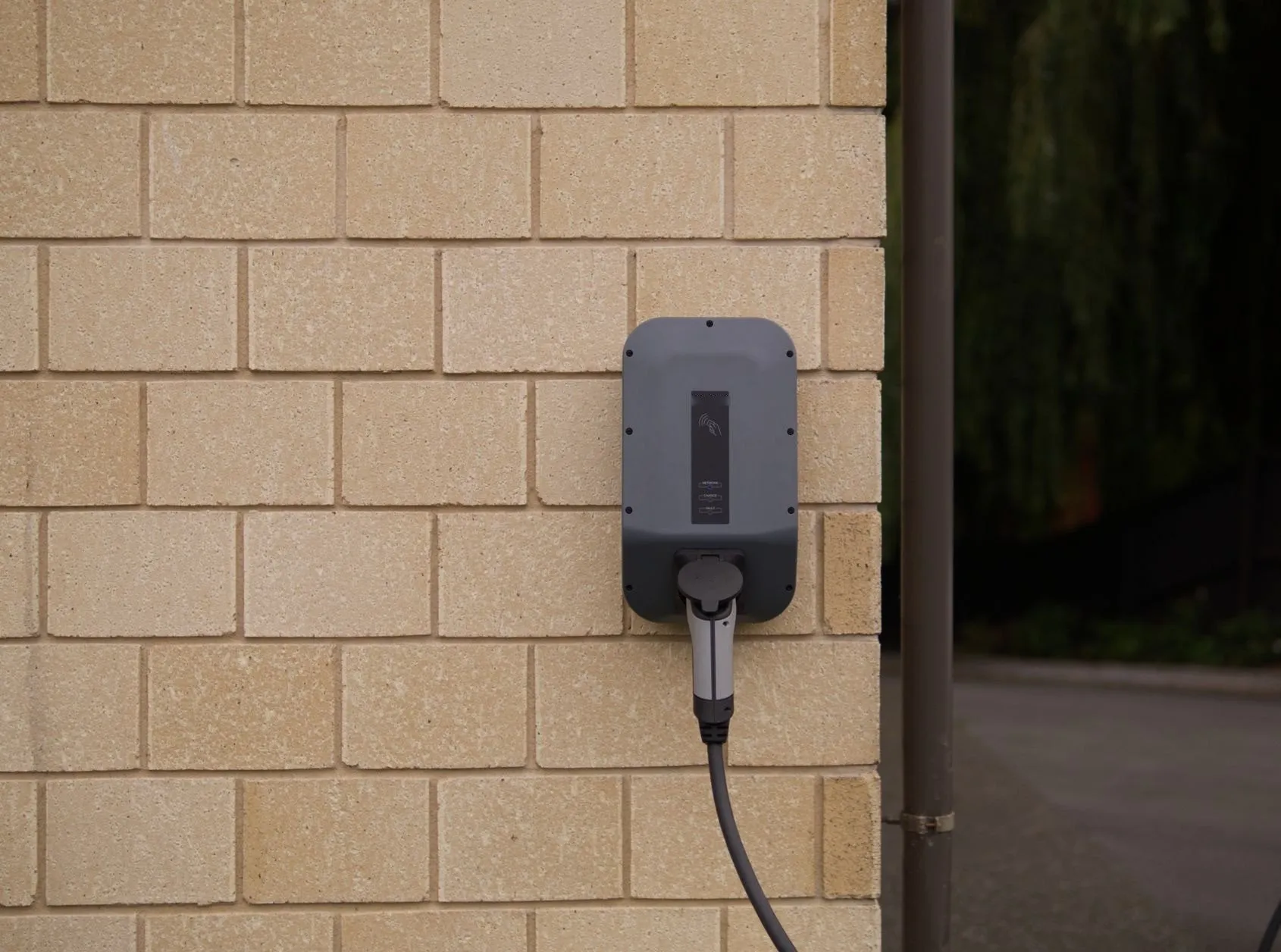
An electric car charger, a heat pump or a new kitchen may need spare ways and the right protection. Sometimes the board has room. Sometimes it is simpler and cheaper to replace it at the same time.
If you are not sure, book a test. If the board is fine, we will tell you so.